HFA founder ends association with group

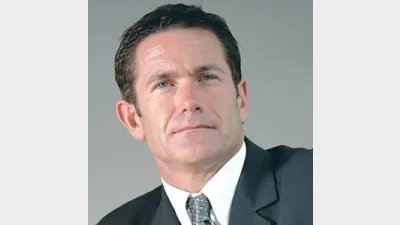

HFA founder, chair and non-executive director Spencer Young will resign his roles with the group to focus on personal commitments, ending a 15-year involvement with the business.
The announcement, released to the Australian Stock Exchange late yesterday afternoon, said Young had advised the HFA Holdings board that he would be resigning from his duties as the group also looks to appoint additional US-based independent non-executive directors.
Young started HFA in 1999. He was its first chief executive and has been an executive director for 13 years and non-executive chair for the past two years.
"I look at the future prospects of the business as it stands today, and in particular the foundation it has with its operations in the United States, and I consider that this is an appropriate time for me to step back," Young said in the statement.
The addition of US-based board members follows the growth of the HFA Holdings business in the United States and is part of a review of the board's structure aimed at reflecting its presence in Australia and the USA.

HFA stated it would "search to identify appropriate candidates to fill at least one board seat, and will seek to identify a candidate with valuable experience in the hedge fund space in the United States".
HFA independent non-executive director Michael Shepherd will take on the role of acting chair, having been a member of the board for the past four years.
AUTHOR

Jason Spits
Recommended for you
The ongoing adviser shortage is a key driver behind advisers’ increased use of ETFs and managed accounts, according to an industry expert, fuelled by the need for cost and efficiency savings.


A business consultant believes there is a proven correlation between advice businesses that develop and commit to a clear business plan and those that see higher profit outcomes, but only when done correctly.


Advice technology solution intelliflo has launched an integration with fintech firm FAYBL to introduce AI capabilities across the intelliflo office offering to boost efficiency.


ASIC’s court case with Interprac is causing advisers to explore the possibility of self-licensing, according to My Dealer Services, as they observe the reputational damage it can bring to a practice.