‘Vanilla’ solutions fall short in funding retirement



Investors may have to consider either maintaining or even increasing their risk if they want to achieve the returns needed to fund their retirement.
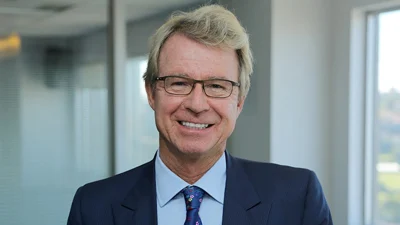
That's according to Wingate Asset Management chief investment officer Chad Padowitz, who said so-called ‘vanilla' solutions are not going to cut it in a low interest rate environment.
With cash and fixed income rates being suppressed by deleveraging and central banks, Padowitz said the risk versus return dynamic on bonds was now negative.
"Therefore investment strategies trying to include the three aims of low risk, maintaining living standards and dealing with longevity, are blending incompatible aims," he said.
He said equity markets remain one of the few asset classes that can provide investors with sufficient returns for their latter years, and sources of return should not just be based purely on capital growth.

According to Padowitz, option premium and dividends can help to reduce the volatility of returns.
"In a low growth environment and a fairly valued market, relying on capital growth to achieve returns may be somewhat optimistic over the medium term, so adding additional sources of return like dividends and option premium are appropriate considerations," he said.
He added that this strategy was only suitable if major risks were removed, including removing all leverage.
"For investors that are close to retirement, the trade-off between reducing risk and generating returns needs to be carefully managed; nonetheless, in the current environment of low interest rates, this equation has moved decidedly in favour of taking more equity risk," Padowitz said.
Recommended for you
Natixis Investment Managers has hired a distribution director to specifically focus on the firm’s work with research firms and consultants.


The use of total portfolio approaches by asset allocators is putting pressure on fund managers with outperformance being “no longer sufficient” when it comes to fund development.


With evergreen funds being used by financial advisers for their liquidity benefits, Harbourvest is forecasting they are set to grow by around 20 per cent a year to surpass US$1 trillion by 2029.


Total monthly ETF inflows declined by 28 per cent from highs in November with Vanguard’s $21bn Australian Shares ETF faring worst in outflows.