‘Technology cold war’ at play in US/China trade talks

Technology stocks are likely to be most vulnerable from a US/China trade war, say Principal Global Investors, describing the battles as a ‘technology cold war’.
Technology makes up a large part of both the US and China market indices thanks to companies such as Apple and Microsoft in the US and Alibaba and Tencent in China.
Apple already warned costs of its products may rise if tariffs were introduced as numerous components were made in China.
Principal global investment strategist, Seema Shah, said: “Technology stocks would sit directly in the firing line, with chipmakers the most vulnerable to a breakdown in talks.
“A technology cold war is underway, do you really think Trump would capitulate at this very early stage?”
Global leading chipmakers included South Korean firms Samsung and SK Hynix and Intel and Qualcomm which are based in the US.
Qualcomm was hit by US President Trump’s ban on selling American components to Chinese mobile phone manufacturer Huawei which was enforced in May 2019 with shares falling 24 per cent in the days following the announcement
Shah also added China will mark its 70th anniversary of the creation of the People’s Republic of China and would likely want to demonstrate its economic strength. This would mean currency depreciation of the renminbi was unlikely and fiscal and monetary was likely to occur in the coming months.
“Not only will China be looking to present a strong economy, it will also want to project its geopolitical strength. This implies few concessions to the US and an uncompromising intent to protect China’s national corporate champions.
“Given the US administration’s determination to paralyse China’s technology super-power aspirations, this may also be non-negotiable for President Trump.”
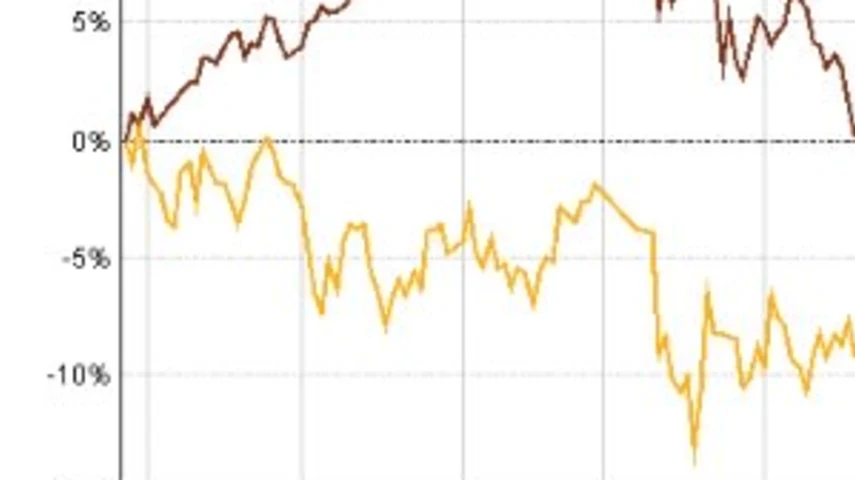
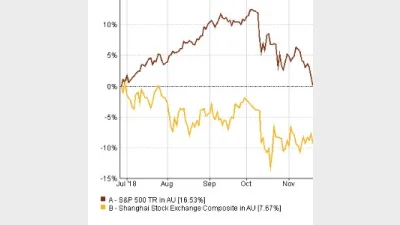
According to FE Analytics, China’s Shanghai Composite index has returned 7.6 per cent over one year to 26 June while the S&P 500 in the US has returned 16.5 per cent over the same period.
AUTHOR

Laura Dew
Recommended for you
Natixis Investment Managers has hired a distribution director to specifically focus on the firm’s work with research firms and consultants.


The use of total portfolio approaches by asset allocators is putting pressure on fund managers with outperformance being “no longer sufficient” when it comes to fund development.


With evergreen funds being used by financial advisers for their liquidity benefits, Harbourvest is forecasting they are set to grow by around 20 per cent a year to surpass US$1 trillion by 2029.


Total monthly ETF inflows declined by 28 per cent from highs in November with Vanguard’s $21bn Australian Shares ETF faring worst in outflows.