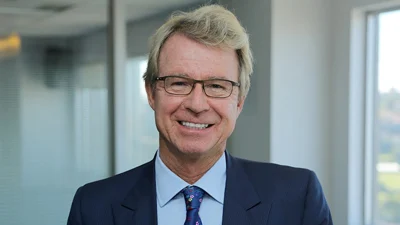
Office property sector edging out retail: AMP Capital



The office and industrial property sectors are looking more attractive than retail assets at present, according to AMP Capital chief investment officer, property, Andrew Bird.
A softening retail sector resulting from Australia's so-called 'two-speed economy' is adding to AMP Capital's bias towards office assets, said Bird.
"From a retail perspective, we see the opportunity being in the development of our existing assets," he said.
The office markets that are most attractive to AMP Capital over the next two to three years are the resource-based Perth and Brisbane sectors, along with Melbourne and the strong economic fundamentals of the Victoria economy, Bird said.
Looking at the Australian commercial property market more generally, Bird said the testing global environment meant AMP Capital would be taking a high-conviction approach and limiting its investments to quality, core assets.
AMP Capital is also holding "low to no debt", since tightening global bond markets mean rolling over debt will become increasingly expensive, Bird said.
The fundamental problems in Europe are unlikely to be resolved soon, and there will be no moves to address US public debt for at least 12 months, while a hostile US Senate refuses to accommodate President Obama, Bird added.
China is also slowing down, with the Government attempting to engineer a soft landing, he said.
"You're not going to miss the [property] market on the upside - it's not going to boom away," Bird said.
Recommended for you
Natixis Investment Managers has hired a distribution director to specifically focus on the firm’s work with research firms and consultants.


The use of total portfolio approaches by asset allocators is putting pressure on fund managers with outperformance being “no longer sufficient” when it comes to fund development.


With evergreen funds being used by financial advisers for their liquidity benefits, Harbourvest is forecasting they are set to grow by around 20 per cent a year to surpass US$1 trillion by 2029.


Total monthly ETF inflows declined by 28 per cent from highs in November with Vanguard’s $21bn Australian Shares ETF faring worst in outflows.