Janus Henderson’s flagship bond fund marks 10 years


The Janus Henderson Tactical Income fund has reached its 10-year track record, accumulating assets of $3.4 billion over the decade.
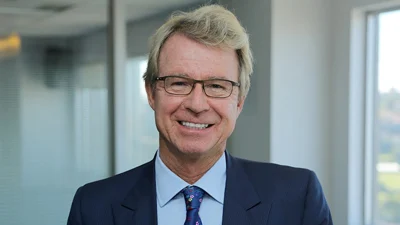
The fund has been run by Glenn Feben since inception and he was joined by Jay Sivaplanan in 2016, both are the firm’s co-head of Australian fixed interest. They were joined by six others who make up the Janus Henderson fixed interest team.
The actively-managed fund aimed to achieve a total return after fees that exceeded the total return of the benchmark by investing in diversified portfolio of Australian income-producing assets.
Since inception in 2009, the fund has returned 67.3 per cent according to FE Analytics, versus returns by its benchmark, Bloomberg AusBond Bank Bill, of 34 per cent over the same period.
Over one year to 2 August, it has returned 3.45 per cent versus benchmark returns of 1.9 per cent.

Janus Henderson said the fund had ‘navigated a challenging local bond market’ and exhibited ‘stable returns’ over its tenure with a focus on capital preservation.
Of 31 negative months for the Australian bond market, Janus Henderson said, the fund had achieved positive performance in 27 of those.
Sivaplanan said: “In today’s complex and low return environment, an active investment management approach is crucial to ensure investors secure the best possible returns.
“Over the last decade, we have consistently delivered on the objectives crafted in 2009. The fund’s nimble design enables tactical decisions on asset allocation, allowing us to respond favourably to changing market conditions.”
AUTHOR

Laura Dew
Recommended for you
Natixis Investment Managers has hired a distribution director to specifically focus on the firm’s work with research firms and consultants.


The use of total portfolio approaches by asset allocators is putting pressure on fund managers with outperformance being “no longer sufficient” when it comes to fund development.


With evergreen funds being used by financial advisers for their liquidity benefits, Harbourvest is forecasting they are set to grow by around 20 per cent a year to surpass US$1 trillion by 2029.


Total monthly ETF inflows declined by 28 per cent from highs in November with Vanguard’s $21bn Australian Shares ETF faring worst in outflows.