Fund manager ownership under the microscope
Investors should take into account the ownership of a fund manager when assessing the risk of investing with a particular fund, financial services provider Australian Unity Investments has urged.
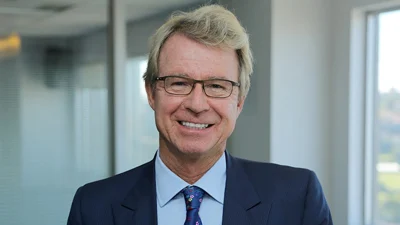
Australian Unity Investments boss David Bryant said current pressure makes the ownership structure of fund managers, particularly boutiques, an area that investors should take into account.
“Investors need to be comfortable not only with the long-term aspects of their portfolio and the advice they are getting, but also with the financial backing of any asset manager looking after their money.
“It is times like now [that] the resources of a sizeable, financially stable and well-managed entity standing behind them, can make a difference, which by definition doesn’t always occur with boutique operations,” he said.
According to Bryant, there is a danger in that asset managers, who are also business owners and managers can be distracted from their investment role.
“In strong market conditions with steady fund inflows, boutique managers were protected from many business stresses.
“But a continuing market correction that reduces fund manager profitability could easily result in some boutique managers coming under pressure,” he said.
But the pressure may not only be financial, and could result from a lack of management diversity needed in any business during times of crisis.
“For such reasons, investors must take into account the ownership of the fund manager when assessing the risk of investing with a particular fund,” Bryant said.
Recommended for you
Natixis Investment Managers has hired a distribution director to specifically focus on the firm’s work with research firms and consultants.


The use of total portfolio approaches by asset allocators is putting pressure on fund managers with outperformance being “no longer sufficient” when it comes to fund development.


With evergreen funds being used by financial advisers for their liquidity benefits, Harbourvest is forecasting they are set to grow by around 20 per cent a year to surpass US$1 trillion by 2029.


Total monthly ETF inflows declined by 28 per cent from highs in November with Vanguard’s $21bn Australian Shares ETF faring worst in outflows.