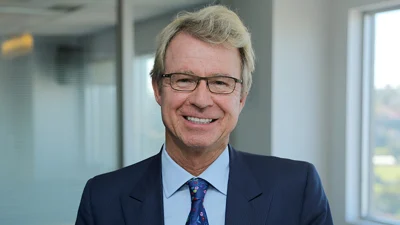
Tower restructure fuels executive departure
Tower Australiahas restructured its chief sales role by dividing the risk and wealth management aspects of the position in a move resulting in the departure of Tower head of sales Stephen Robertson.
Robertson joined Tower 18 months ago and was responsible for the sales of Tower Australia, the group’s risk insurance division, theBridgesand Pivotal dealer groups and the superannuation business carried underTower Trust.
These roles will now be split between two sales managers with previous head or risk sales Jordan Hawke taking on the head of sales role for risk and superannuation, reporting through to Tower Australia chief executive Jim Minto.
The other role will report through to Tower Wealth Management chief executive Andrew Barnes with the group yet to name who will take on the position, which will cover the Tower Trust and Bridges businesses.
The Pivotal dealer group, set up last year, has also yet to name a replacement for Ken Brewer who headed the group but left two weeks ago, with that role now also reporting through to Minto as a result of the restructure.

Robertson says the restructure is the conclusion of work the group began 18 months ago to turn around its flagging fortunes and he was happy to have been involved in the revival of the group’s risk business stating that it has achieved more in the timeframe than the group thought possible.
“The move has been amicable and professional and has been part of the alignment of the business and I am delighted to have been involved in its turnaround, says Robertson, who is likely to remain in Sydney and will seek other senior sales roles in financial services.
Minto says the decision to split the role was driven by the turnaround in the risk business and the growth in the wealth management business of the greater Tower group.
“The risk business is going ahead well, we have reduced business expenses by $35 million in 18 months and one person across both businesses did not make sense when we are dealing with two different sets of stakeholders and clients,” Minto says.
AUTHOR

Jason Spits
Recommended for you
The ongoing adviser shortage is a key driver behind advisers’ increased use of ETFs and managed accounts, according to an industry expert, fuelled by the need for cost and efficiency savings.


A business consultant believes there is a proven correlation between advice businesses that develop and commit to a clear business plan and those that see higher profit outcomes, but only when done correctly.


Advice technology solution intelliflo has launched an integration with fintech firm FAYBL to introduce AI capabilities across the intelliflo office offering to boost efficiency.


ASIC’s court case with Interprac is causing advisers to explore the possibility of self-licensing, according to My Dealer Services, as they observe the reputational damage it can bring to a practice.