GQG grows FUM and revenue



GQG Partners has reported positive net inflows of US$8 billion for 2022 while net revenue has increased by almost 10%.
Reporting its full year results to 31 December, 2022, the US asset manager said the inflows had come despite a “challenging market environment with continued industry outflows and overall negative market returns”.
Some US$1 billion came from the Asia Pacific region which included Australia while US$9.5 billion came from investors in the Americas. However, they were offset by outflows of US$2.5 billion in EMEA.
Positive inflows had continued into 2023, the firm said, with US$2.2 billion raised year to date.
Funds under management were US$88 billion, up from US$80.5 billion a year ago, while net revenue was up 9.8% from US$397.9 million to US$436.8 million.

The majority of these funds (US$33.1 billion) sat in its international equity strategy while US$25.2 billion was in global equity and US$22.8 billion was in emerging markets. A smaller portion of US$6.9 billion was in the US equity strategy.
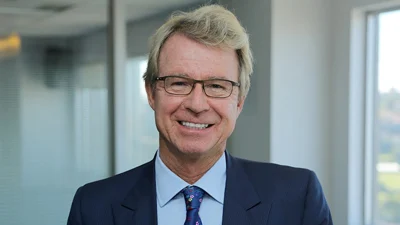
Tim Carver, chief executive and executive director, said: “Our financial result is driven in large part by our investment performance over the long term. As at the end of the year 2022, our strategies continued to provide solid long-term performance as compared to their benchmarks, which we believe provides the underpinnings for continued business success.
“GQG continues to see strong business momentum in a variety of geographies and across channels and we continue to offer what we believe are very attractive fees relative to our competition.
“Furthermore, less than 3% of our revenues continue to be derived from performance fees, as opposed to asset-based fees, which we believe will be more stable in periods of market volatility.”
AUTHOR

Laura Dew
Recommended for you
Natixis Investment Managers has hired a distribution director to specifically focus on the firm’s work with research firms and consultants.


The use of total portfolio approaches by asset allocators is putting pressure on fund managers with outperformance being “no longer sufficient” when it comes to fund development.


With evergreen funds being used by financial advisers for their liquidity benefits, Harbourvest is forecasting they are set to grow by around 20 per cent a year to surpass US$1 trillion by 2029.


Total monthly ETF inflows declined by 28 per cent from highs in November with Vanguard’s $21bn Australian Shares ETF faring worst in outflows.