What to consider when hiring an asset consultant
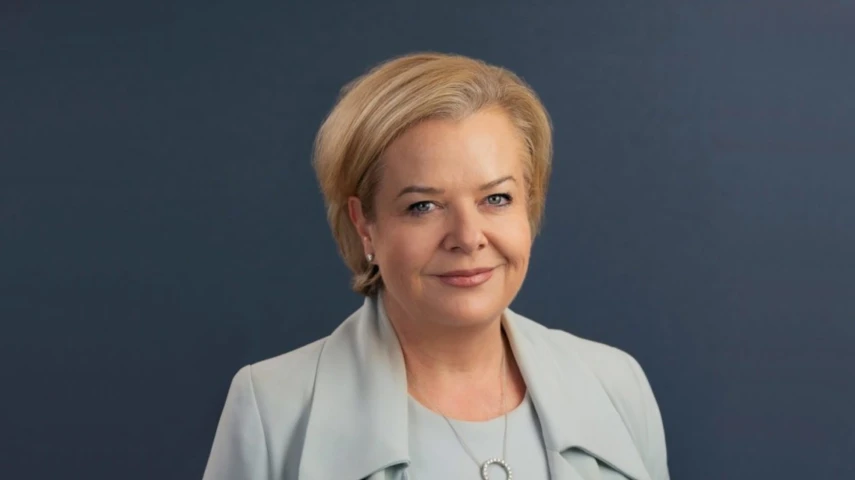


There are three things to consider if any advice firms want to consider working with outsourced asset consultants, according to Mason Stevens’ chief investment officer, Jacqueline Fernley.
Speaking to Money Management, Fernley discussed the recent Outsourced CIO report from Mason Stevens and Ensombl. This explored how advisers could outsource their investment decisions to create greater efficiencies in their business.
Benefits of outsourcing included realising cost savings by tapping into scale benefits, outsourced functions performed to a higher standard, lower error rates, and freeing up the adviser to maintain client relationships.
Fernley said: “For an adviser, balancing client requirements with regulatory requirements and making investment decisions is a full-time job and we know from clients that they value the relationship they have with their adviser.”
Research in the report from CoreData found 48.5 per cent of clients ranked their adviser’s understanding of their needs as the most valued part of the relationship followed by trust and communication. On the other hand, competitive returns was ranked seventh on the list at 22 per cent.

She added: “There is a large ecosystem of well-qualified people at these firms and they can support advisers by providing different skill sets and knowledge around investments.
“It can be very flexible depending on what an adviser needs from asset allocation, approved product lists, manager research, and portfolio construction.”
There are two ways that advisers are accessing an outsourced CIO; as a service or consultancy, where expertise is accessed on a standalone basis or used in conjunction with a variety of investment; and via solutions that bundle this expertise together with a product such as managed accounts.
Managed accounts, in particular, had seen significant growth in recent years and were viewed as a way to drive operational efficiencies and as a way to access external investment expertise in a sustainable way.
The 2022 Adviser Landscape Report from Adviser Ratings reported that 74 per cent of licensees and 45 per cent of practices actively use third-party expert researchers and/or investment consultants.
If an adviser was considering working with one, Fernley said there are three key things to consider.
“It is fundamentally important to ensure alignment of the two investment philosophies between you and the asset consultant,” she said.
“If your proposition is to have a high-quality, low-turnover portfolio that can protect capital and grow wealth over the long term, then you don’t want an asset consultant who is high conviction. You need to find someone who is like-minded.
“Secondly, they have to have the track record and capability to do the work you want and finally, do they have the right cultural fit? You are going to be working very closely with them on a regular basis so you need to get along.”
AUTHOR

Laura Dew
Recommended for you
A strong demand for core fixed income solutions has seen the Betashares Australian Composite Bond ETF surpass $1 billion in funds under management, driven by both advisers and investors.


As the end of the year approaches, two listed advice licensees have seen significant year-on-year improvement in their share price with only one firm reporting a loss since the start of 2025.


Having departed Magellan after more than 18 years, its former head of investment Gerald Stack has been appointed as chief executive of MFF Group.


With scalability becoming increasingly important for advice firms, a specialist consultant says organisational structure and strategic planning can be the biggest hurdles for those chasing growth.