WHEB: ‘Impact washing’ abusing sustainability industry



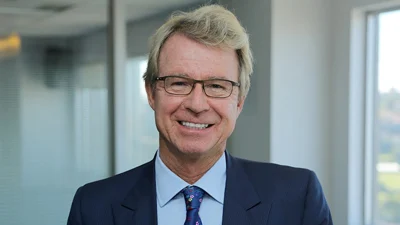
George Latham, managing director at WHEB Asset Management, believes the sustainable investment industry is at risk from firms misleading investors with ‘impact washing’ products.
Impact washing was when product providers exaggerated the impact investing claims of their products. These types were ‘abusing’ the sustainable industry, Latham said.
“There is a real risk of impact washing in the industry. There are issues over transparency and governance, there is a need to be completely open about what people are investing in as the more consumers can see then the more open it is. We have to build trust with the outside world.”
He suggested there should be industry marks and standards which would demonstrate the sustainability of a suitable product but that this was only at ‘an early stage’ in Australia as well as a reduction in jargon used by the industry.
WHEB currently ran a Sustainable Impact fund which invests in companies providing sustainability solutions such as water management, cleaner energy and environmental services. Each year, it produced an annual impact report which measured and reported on the extent of positive social and environmental impact created by the fund.

Latham added the situation was worsened by the fact investors were already disengaged with financial products.
“Financial services has a real problem where investors are disengaged with ‘financialised’ products, those products which they see as operating money-for-money. This means very little to the end investor and they don’t understand what is being achieved.
“Impact investing creates a visible connection between society and money.”
The $30m Pengana WHEB Sustainable Impact fund returned 2.7 per cent over one year to 3 June, according to FE Analytics.
AUTHOR

Laura Dew
Recommended for you
Natixis Investment Managers has hired a distribution director to specifically focus on the firm’s work with research firms and consultants.


The use of total portfolio approaches by asset allocators is putting pressure on fund managers with outperformance being “no longer sufficient” when it comes to fund development.


With evergreen funds being used by financial advisers for their liquidity benefits, Harbourvest is forecasting they are set to grow by around 20 per cent a year to surpass US$1 trillion by 2029.


Total monthly ETF inflows declined by 28 per cent from highs in November with Vanguard’s $21bn Australian Shares ETF faring worst in outflows.