FSC to seek relief from Trade Practices Act: Synchron

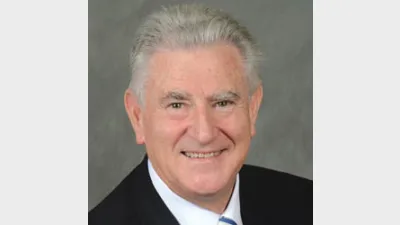

The Financial Services Council (FSC) is set to seek class order relief from provisions in the Trade Practices Act in order to implement its anti-churning policy, according to Synchron director Don Trapnell.
According to Trapnell, the FSC will make an application to the Australian Competition and Consumer Commission (ACCC) within the month to seek the class order relief.
FSC chief executive John Brogden told Money Management his organisation would release a statement on the matter this Thursday.
The FSC's original churning policy, announced by the lobby group at its national conference in August last year, proposed to effectively extend the responsibility period for life risk advisers to three years via an industry-wide 'clawback' policy.
After talks with the Financial Planning Association and the Association of Financial Advisers, the FSC indicated that it was willing to compromise and reduce the clawback period to two years.*

While Trapnell said he did not object to a one, two or three-year responsibility period, he rigorously objected to the FSC "going behind closed doors and colluding" to implement its policy.
Trapnell pointed out that in the 1970s every policy had a three-year responsibility period. Due to "competitive practices", the responsibility period was reduced to two years in the early 1980s and then one year in the late 1980s.
"It was competitive practices that gave us the one-year responsibility period, and it must be competitive practices that takes it away from us," he said.
The FSC is seeking the class order relief from the Trade Practices Act because it knows it will be "breaking the law" if it introduces a longer responsibility period in conjunction with the insurance industry, said Trapnell.
"If they do go to the ACCC we will challenge it ... the ACCC will invite submissions, and we will submit 'rigorously'," he said.
* Correction: This story has been amended to reflect the fact that the FSC has reduced its proposed responsibility period from three years to two years.
Recommended for you
Next year will see AMP roll out an end-to-end solution for its North platform, marking a shift in the firm’s position within the advice technology sector and building on adviser feedback.


My Dealer Services is predicting strong growth in self-licensing next year, citing recent ASIC action against Interprac and the desire for independence as key drivers of the self-licensing trend.


ASIC has handed down a six-month AFSL suspension to MW Planning after the firm failed to replace its banned responsible manager.


Despite the year almost at an end, advisers have been considerably active in licensee switching this week while the profession has reported a slight uptick in numbers.