Investors ready to price in global recession



Those investors who anticipated a ‘v’-shaped recovery in global growth only a few weeks ago, are now saying they will price in a high probability of a global recession as many stocks have seen drawdowns of more than 20% in recent weeks, according to Janus Henderson Investors.
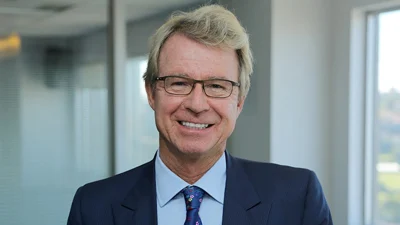
Paul O’Connor, head of multi-asset at Janus Henderson Investors, said that the big question was whether this would be the start of a more sustained decline.
“Many tactical indicators of investor sentiment and positioning are already at levels that have typically rewarded buying into equities and other risk assets,” he said.
“Still, given the unusually thick fog of uncertainty surrounding the coronavirus, this sort of evidence argues more for stabilisation in markets than a sustained recovery.”
At the same time, he stressed that a meaningful recovery in risk appetite would require some confidence that the coronavirus was being contained.

“In the short-term, it is far from obvious what will revive market sentiment,” O’Connor said.
“We expect central banks actions to remain focused on liquidity provision and keeping credit flowing through the financial system rather than trying to deliver big rate cuts or new quantitative easing programmes.
“Fiscal policy seems the best solution for the world economy’s current ails, but progress here so far has been reactive and piecemeal.”
Following this, markets would rather remain volatile and vulnerable until there is some evidence that COVID-19 is being contained globally.
AUTHOR

Oksana Patron
Recommended for you
Natixis Investment Managers has hired a distribution director to specifically focus on the firm’s work with research firms and consultants.


The use of total portfolio approaches by asset allocators is putting pressure on fund managers with outperformance being “no longer sufficient” when it comes to fund development.


With evergreen funds being used by financial advisers for their liquidity benefits, Harbourvest is forecasting they are set to grow by around 20 per cent a year to surpass US$1 trillion by 2029.


Total monthly ETF inflows declined by 28 per cent from highs in November with Vanguard’s $21bn Australian Shares ETF faring worst in outflows.